Rental Scams in Spain: 7 Proven Ways to Rent Safely and Confidently
Rental scams in Spain are rising fast. Learn the warning signs, safe payment habits, and steps to rent a property with confidence.
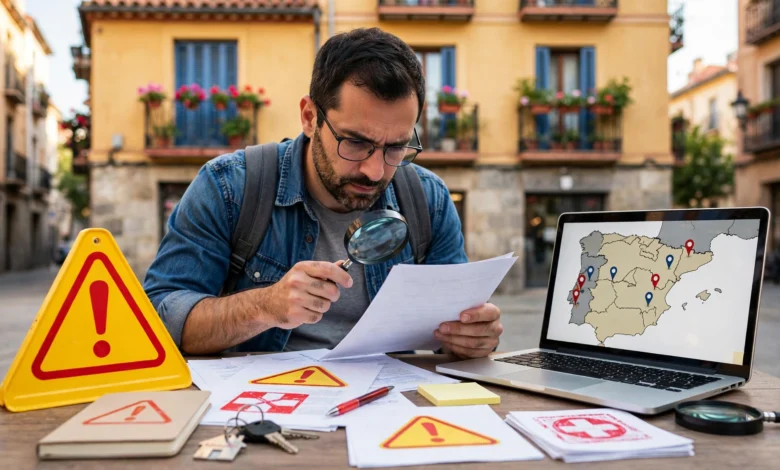
Rental scams in Spain have become one of the biggest headaches for people trying to find a home in cities like Barcelona, Madrid, Valencia, and along the coast. Between the housing shortage, the flood of remote workers and digital nomads, and the sheer number of people searching for apartments online, scammers have found fertile ground. If you’ve spent any time browsing Spanish rental listings, you’ve probably already noticed the pattern: a suspiciously perfect flat, a landlord who’s “abroad” and can’t show it in person, and a request to send money before you’ve even seen the place.
This isn’t just bad luck for a few unlucky renters. Spanish police and consumer protection groups have flagged a sharp rise in property rental fraud over the past few years, especially targeting foreigners, students, and anyone relocating from another country who isn’t familiar with how the local market actually works. The good news is that these scams tend to follow recognizable patterns, and once you know what to look for, they’re fairly easy to avoid.
In this guide, we’ll walk through exactly how rental scams in Spain typically play out, the red flags that should make you pause, and the practical steps you can take to protect your money and your peace of mind. Whether you’re moving to Spain for work, retirement, or a fresh start, this article will help you rent with confidence instead of fear.
Why Rental Scams in Spain Are So Common Right Now
Spain’s rental market has tightened considerably in the last few years. Demand in major cities and popular expat destinations far outpaces supply, which means good apartments get snapped up within hours of being listed. That pressure is exactly what scammers exploit.
A few factors make Spain particularly attractive to fraudsters:
- High demand, low supply. Cities like Barcelona, Madrid, Málaga, and Palma have seen rental prices climb sharply, pushing desperate renters to act fast and skip normal due diligence.
- A large international audience. Spain draws remote workers, retirees, and students from all over the world, many of whom can’t view a property in person before moving.
- Popular listing sites with weak vetting. Some rental portals and Facebook groups don’t verify who’s actually posting a listing, which makes it easy for scammers to copy real photos and descriptions from legitimate ads.
- Cultural and language barriers. Renters unfamiliar with Spanish rental law or local customs are less likely to notice when something doesn’t add up.
Understanding this context matters because it explains why scammers specifically target people who are relocating, renting remotely, or new to the country. If that’s you, you’re not being paranoid by double-checking everything. You’re being smart.
Common Types of Rental Scams in Spain
Before getting into prevention, it helps to recognize the actual tactics scammers use. Most rental fraud in Spain falls into a handful of categories.
1. The “Landlord Abroad” Scam
This is the most common version. A listing looks great, the price is a little below market rate, and when you reach out, the “owner” explains they’re currently working or living outside Spain (often the UK, US, or another EU country) and can’t show the flat in person. They’ll offer to send keys by courier or arrange a “trusted agent” to hand them over, but only after you wire a deposit and the first month’s rent.
In reality, the property either doesn’t exist, isn’t actually for rent, or belongs to someone else entirely who has no idea their home has been listed online.


2. Fake or Duplicated Listings
Scammers often lift real photos and descriptions from legitimate listings on sites like Idealista or Fotocasa, then repost them on other platforms, Facebook Marketplace, or classified sites at a lower price. The photos are real, the address might even be real, but the person you’re messaging has nothing to do with the property.
3. The Upfront Payment Trap
This one overlaps with the first two but deserves its own mention because it’s the actual mechanism that makes these scams work. You’re asked to pay a deposit or reservation fee before signing a contract or seeing the property, usually through a bank transfer, Western Union, or an app like PayPal’s “friends and family” option (which offers no buyer protection).
4. Fake Agencies and Portals
Some scams involve entire fake real estate agency websites, complete with logos, staff photos, and fabricated reviews. These sites look professional enough to fool renters who assume that a polished website equals legitimacy.
5. Subletting Without Permission
A tenant currently renting a flat lists it online and collects deposits from multiple “future tenants,” even though they have no right to sublet or aren’t even the actual renter. By the time the real landlord finds out, the scammer has disappeared with several deposits.
Red Flags That Signal a Rental Scam in Spain
Learning to spot these warning signs is the single most effective way to protect yourself. If you notice more than one of the following in a single listing or conversation, treat it as a serious red flag.
- The price feels too good to be true compared to similar listings in the same neighborhood.
- The landlord refuses or is “unable” to do an in-person or video viewing.
- You’re asked to send money before signing a contract or seeing valid ID.
- The landlord pressures you to decide quickly, citing “other interested renters.”
- Communication only happens through WhatsApp or email, never a phone call or video call.
- The listing has poor grammar or inconsistent details between the description and photos.
- You’re asked to pay via bank transfer to a personal account abroad, Western Union, or gift cards.
- There’s no official rental contract, or the one provided looks generic and lacks specific legal details required under Spanish law.
If even one of these shows up, slow down. Scammers rely on urgency and emotion to short-circuit your judgment.
How to Avoid Being Scammed: 7 Practical Steps
Here’s where things get actionable. These are the concrete habits that will keep you safe when searching for a rental property in Spain.
1. Always Insist on Viewing the Property
This is the single most important rule. Never commit to a rental, and never send a cent, without seeing the property either in person or via a live video call where you can ask the person showing you around to walk through the flat, open doors, and show you the building entrance and street. Pre-recorded videos can be faked or lifted from other sources, so insist on something live and interactive.
If you’re not in Spain yet, consider asking a local friend, a relocation agency, or even a paid local inspector to view the property on your behalf before you commit to anything.
2. Verify the Landlord’s Identity and Ownership
Legitimate landlords in Spain should be able to show you a DNI or NIE (their national or foreign identity number) and proof that they own the property, such as a Nota Simple, a property registry extract you can request from the Spanish Land Registry (Registro de la Propiedad) for a small fee. If someone refuses to provide any proof of ownership, that’s a major warning sign.
You can also cross-check the address using Spain’s official land registry service to confirm who legally owns the property before transferring any money.
3. Never Pay Before Signing a Contract
A legitimate rental agreement in Spain, known as a contrato de arrendamiento, should be signed by both parties before any money changes hands beyond perhaps a very small, clearly documented reservation fee. Under Spanish tenancy law (the Ley de Arrendamientos Urbanos, or LAU), tenants are typically asked for one month’s deposit plus, in many cases, a supplementary guarantee, but this happens alongside contract signing, not before it.
Avoid any arrangement where you’re asked to pay:
- A deposit before viewing the property
- Rent for a property you haven’t yet toured
- Money through untraceable methods like wire transfers to foreign accounts, cryptocurrency, or gift cards
4. Use Reputable Rental Platforms and Agencies
Stick to well-known, established portals such as Idealista, Fotocasa, or Habitaclia, which have more robust systems for flagging and removing fraudulent listings. If you’re working with a real estate agency, verify that it’s a registered business with a physical office you can visit, a CIF (tax identification number), and reviews you can independently confirm, not just testimonials posted on their own site.
Working with a licensed API (Agente de la Propiedad Inmobiliaria) or a registered real estate agent adds another layer of protection, since these professionals are legally accountable for the transactions they facilitate.
5. Pay Attention to How the Landlord Communicates
Genuine landlords and agents are usually willing to answer questions on the phone or through a video call. If someone insists on communicating exclusively through text or email, avoids direct questions, or gives vague, evasive answers about the property’s exact location or condition, treat that as a signal to walk away.
It also helps to search the landlord’s name, phone number, or email address online. Scammers frequently reuse the same contact details across multiple fake listings, so a quick search sometimes turns up previous victims’ warnings.
6. Get Everything in Writing and Read the Contract Carefully
Once you’re confident the property and landlord are legitimate, make sure the rental contract includes:
- Full names and ID numbers of both parties
- The exact address and a clear description of the property
- The monthly rent, deposit amount, and payment method
- The contract duration and renewal terms
- Who is responsible for utilities, community fees, and repairs
If the contract is only in Spanish and you’re not fully comfortable with the language, have a translator or a local contact review it before you sign. This isn’t just about avoiding scams, it also protects you from unfavorable terms buried in the fine print.
7. Report Suspicious Listings Immediately
If you come across a listing that looks fraudulent, report it to the platform hosting it and, if you’ve already lost money, file a report with the Policía Nacional or Guardia Civil. Spain’s national police force has a dedicated cybercrime division that handles online fraud, including rental scams, and reporting quickly increases the chance of recovering funds or preventing others from falling victim to the same scheme.
For renters coming from other EU countries, the European Consumer Centre network can also provide guidance on cross-border consumer disputes, including fraudulent rental transactions.
What to Do If You’ve Already Been Scammed
If you suspect you’ve already sent money to a scammer, acting quickly matters.
- Contact your bank immediately and explain the situation. If the transfer was recent, there’s sometimes a small window to halt or reverse it.
- File a police report in Spain or in your home country, depending on where the transaction occurred. Keep every message, email, and payment receipt as evidence.
- Report the listing to the platform it appeared on so it can be taken down.
- Warn others by leaving a review or posting in local expat and relocation groups, since many scammers target the same communities repeatedly.
While recovering the money isn’t always guaranteed, documentation and quick reporting significantly improve your odds and help authorities build cases against repeat offenders.
Extra Precautions for Remote Renters
If you’re renting a property in Spain from abroad, before you’ve relocated, you’re statistically at higher risk simply because you can’t easily verify things in person. A few additional precautions are worth the effort:
- Hire a local relocation consultant or property inspector to visit the property and confirm it matches the listing.
- Use a Spanish lawyer (abogado) to review the contract and confirm the landlord’s ownership, especially for longer-term leases.
- Ask for a live video tour that includes the building’s exterior, street signs, and neighboring landmarks so you can verify the location independently on Google Maps.
- Avoid platforms that don’t allow you to message the landlord directly before payment, since these often lack proper vetting.
For general guidance on renting safely as a foreign national, the UK government’s living in Spain guide offers practical advice on housing, legal residency, and common pitfalls to watch for when relocating.
Conclusion
Rental scams in Spain are a real and growing problem, but they’re also predictable once you know the patterns to look for: listings that seem too good to be true, landlords who avoid in-person or video viewings, and pressure to pay before signing anything. By insisting on verified viewings, confirming ownership through official channels, using reputable platforms, and never sending money before a proper contract is in place, you can dramatically reduce your risk. Take your time, trust your instincts when something feels off, and treat any request for upfront payment without proof as a warning sign rather than an inconvenience. A little caution at the start of your search will save you a lot of stress, and money, down the line.